Role:
Art Director & Illustrator
Year:
2025
Duration:
1 Month
Overview
These visual series were created for a PhD dissertation at Universitat Pompeu Fabra in Barcelona, Spain, by Núria Saladié, who is now based in Melbourne, Australia.
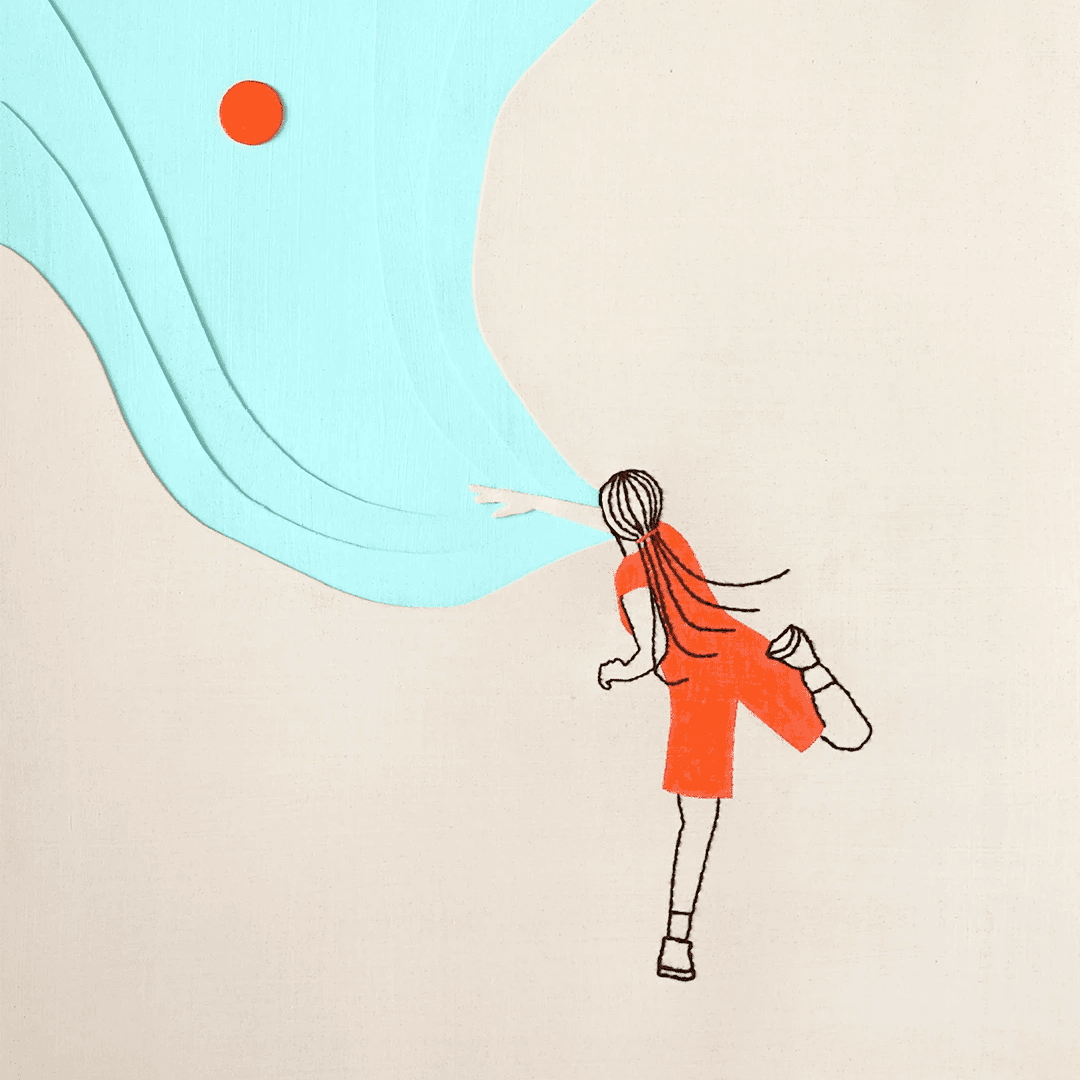
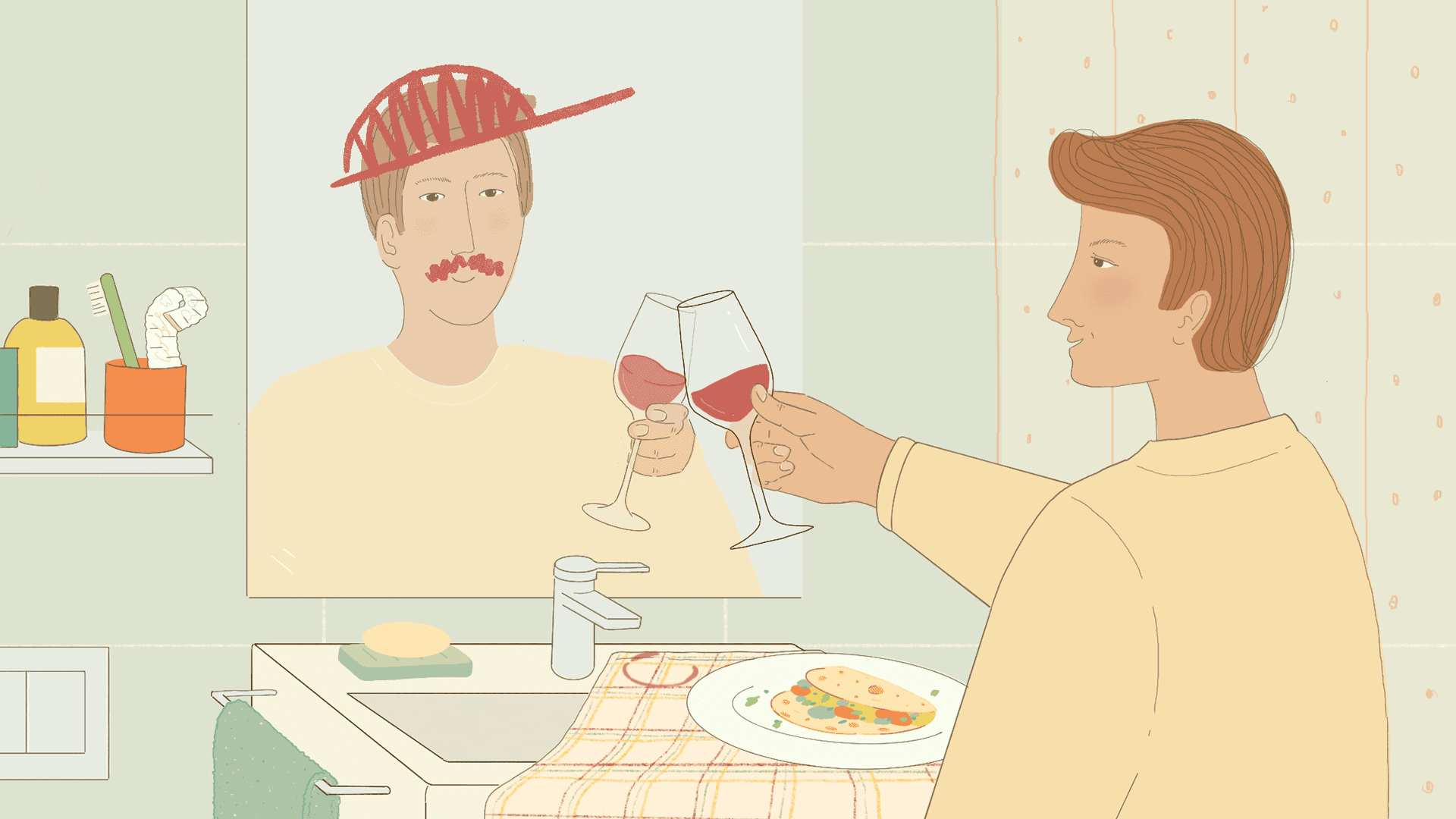
Each image corresponds to a different chapter of the research, offering a subtle entry point into its themes without revealing too much.

Challenge
One of the main challenges of this project was working within the strict constraints of a PhD publication, where visual elements had to follow established academic standards for style, layout, and placement. The illustrations could not compete with or overshadow the scientific content, but instead needed to support and clarify complex research topics and dense texts. Each illustration was designed to enhance the reading experience while remaining suitable for both printed publications and digital formats, including journal papers and the final dissertation.
Inner Cover Titles:
1. The Research of Scientific Communication
2. The Education of Scientific Communication
3. The Practice of Scientific Communication
4. The Relationship Between Research and the Practice of Scientific Communication
5. The Perception of Images on Depression: AI vs. non-AI
Approach
As the cover could not incorporate illustration, the visual narrative was integrated throughout the publication itself. The graphics act as intentional moments of pause within the dense academic content, creating a subtle rhythm that allows readers space to reflect before engaging with the next section.
A restrained visual style was deliberately adopted to maintain the primacy of the research. Clean, vector-based compositions complement the scientific context without distracting from the text, ensuring that the illustrations remain supportive rather than dominant.
The visual language takes a conceptual approach, translating complex ideas into evocative imagery that hints at the underlying themes without becoming overly descriptive. By preserving a degree of ambiguity, the illustrations invite interpretation, stimulating curiosity and deeper engagement with the research.